FANCY STORE
FANCY STORE
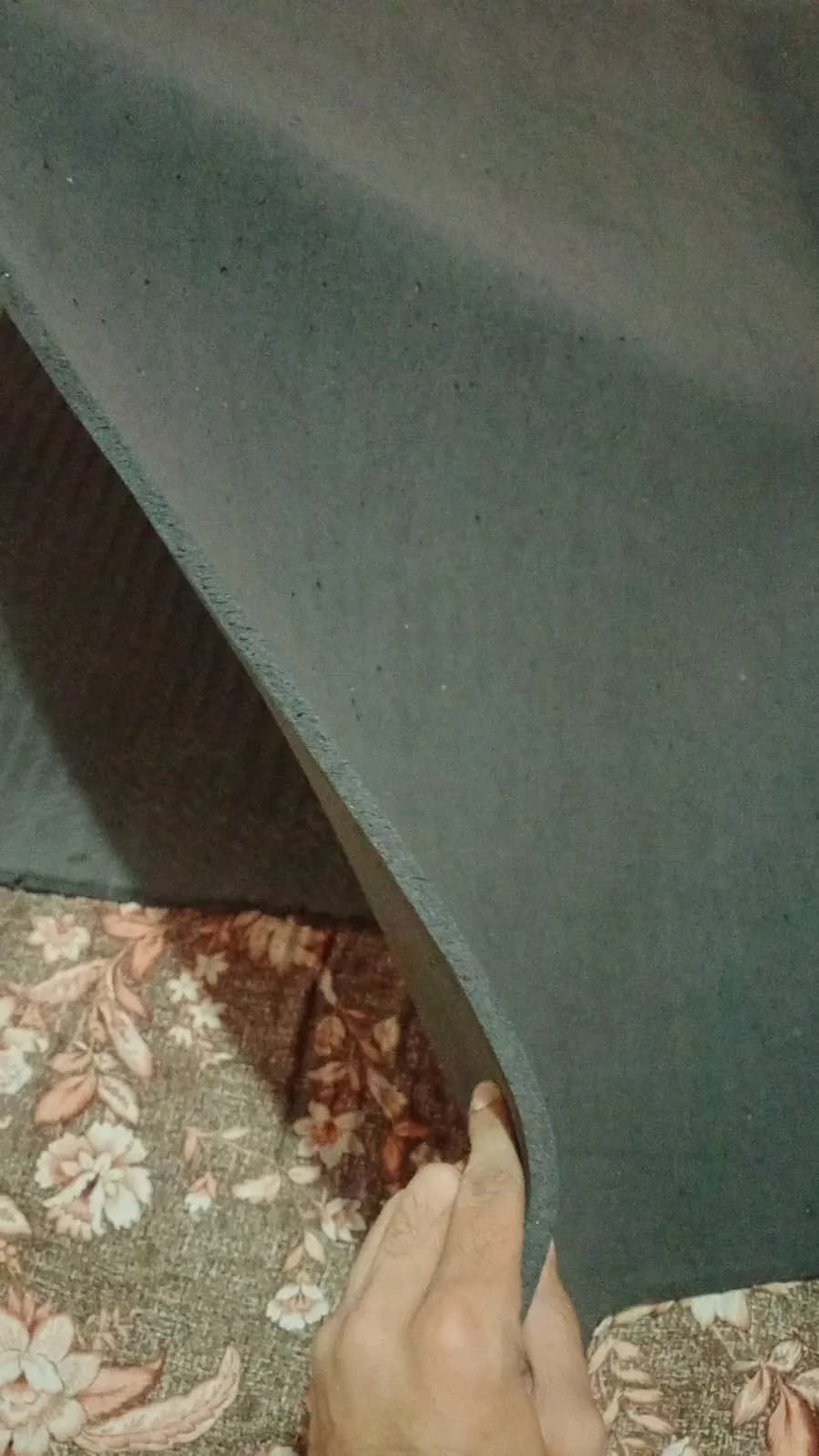
Cattle spend most of the day standing or lying on whatever is under them. If that surface is bare concrete or wet, muddy ground, it takes a real toll on their feet and overall health. A good rubber mat changes that with almost no extra work on your part.
Hard concrete does not let a cow's hoof sink in and distribute weight properly. Most of the pressure ends up on one part of the hoof, which over time leads to painful conditions like sole ulcers and white line disease. Wet or muddy ground adds a second problem: constant moisture that softens hooves and invites infection.
A rubber mat creates a dry barrier between the animal and the ground underneath. Instead of standing in water, mud, or urine-soaked bedding, cattle stay on a dry surface, which matters most in wet weather or poorly drained sheds.
Rubber is soft enough to let the hoof sink in slightly and distribute weight evenly, unlike bare concrete. This reduces the pressure points that cause hoof wear, cracking, and lameness over time.
Most hoof diseases in cattle start with the same combination: constant moisture plus hard, abrasive flooring. A dry, cushioned rubber surface removes both risk factors at once, which is one of the most effective ways to reduce lameness in a herd.
Cattle kept on rubber mats lie down more often and for longer periods compared to those on bare concrete, since it is simply more comfortable to rest on. More resting time means less stress on joints and legs, which supports better overall condition, especially for dairy cattle.
Rubber mats are simple to hose down and wipe clean, and they hold up to daily wear far longer than bare flooring alone. A quick clean keeps the surface hygienic without needing to replace anything.
A rubber mat is a small investment that directly protects your cattle's feet, keeps them dry, and lowers the risk of disease and lameness. Healthier, more comfortable cattle is the simplest way to look at the return on it.